Since war broke out nine weeks ago in the Middle East, the best performing exchange-traded funds listed on the ASX have been wide-reaching, from oil and semiconductor chips to bitcoin and hydrogen. But the losers all have one thing in common – precious metals.
Investors in Australia’s sharemarket have had a tough run since the US and Israel first bombed Iran on February 28, thanks to Australia’s acute vulnerability to the fuel crisis from the closure of the Strait of Hormuz and three interest rate increases from the Reserve Bank of Australia this year.
A fuel tanker moored at Viva Energy’s Gore Bay import terminal in Sydney in March. The best performing ETF listed on the ASX since the war began has tracked the price of oil.
The S&P/ASX 200 Index has given up all of its gains this year to now be down about 0.5 per cent for 2026, making it a global laggard.
By comparison, Wall Street is trading near record highs after a more than 5 per cent gain for the S&P 500, while the UK’s FTSE 100 is up more than 4 per cent. And in Asia, markets are posting double-digit gains with Korea’s KOSPI index up a huge 64 per cent and Japan’s Nikkei 225 jumping 18 per cent, powered by a booming tech sector.
But Australians investing in ASX-listed ETFs, which allow investors to buy bundles of shares, or other assets, that track an index or an investment theme, have had access to some happy hunting grounds.
The standout performer on the ASX is Betashares Crude Oil Index Currency Hedged Complex ETF, which have jumped nearly 70 per cent since the war broke out as it tracked West Texas Intermediate crude oil futures.
WTI was trading about $US105 per barrel at the start of the week after the US and Iran exchanged fire, attacking energy infrastructure and vessels near the Strait of Hormuz which remains all but closed, blocking crucial shipments of oil and gas.
Global X’s Hydrogen ETF is the second best performing, having jumped nearly 28 per cent since late February. Its top holding, which makes up nearly a fifth of the portfolio, is New York-listed Bloom Energy, which makes solid-oxide fuel cell systems that convert natural gas, biogas and hydrogen into electricity without combustion.
The company’s share price has more than doubled this year amid a broader rally in clean energy stocks, while the Iran conflict has sharpened focus on energy security. Rising demand from artificial intelligence and electrification has also driven investment in power and grids.
“We’ve seen oil and energy-related exposures perform strongly in the last two months as investors position for sustained higher energy prices,” said Betashares investment strategist Cameron Gleeson.
Meanwhile, the Global X Ultra Long Nasdaq 100 Hedge Fund is up nearly 24 per cent since war began and the Global X Semiconductor ETF has jumped 22 per cent, placing them in third and fourth place. ETFs tracking bitcoin run by Betashares, iShares, VanEck, and Digital round out the top 10.
Chip makers have surged nearly 50 per cent on Wall Street in the last month, driving the Nasdaq to record highs as investors shifted their focus back to the AI trade, betting that the worst of the Middle East conflict was over.
“The AI investment theme has moved well beyond just the mega-caps,” added Global X ETFs senior investment strategist Billy Leung. “We’re seeing strength across semiconductors, hydrogen, and battery technology.”
But there are some warning signs for the hot sector with Michael Burry, the investor made famous by The Big Short, in late April buying put options that will profit from a drop in a key US-listed semiconductor ETF.
And amid this AI-powered boom on the US sharemarket, a little-known fund run out of Sydney by former Global X Australia chief executive Evan Metcalf, called Savana Active ETFs, has become the top-performing US small-cap ETF over the last year. It’s returned nearly 50 per cent in the year to April.
“The US economy has benefited from stronger corporate earnings growth, better economic fundamentals, structural tailwinds from the AI investment cycle, and a meaningful degree of energy self-sufficiency relative to other developed markets,” said Metcalf.
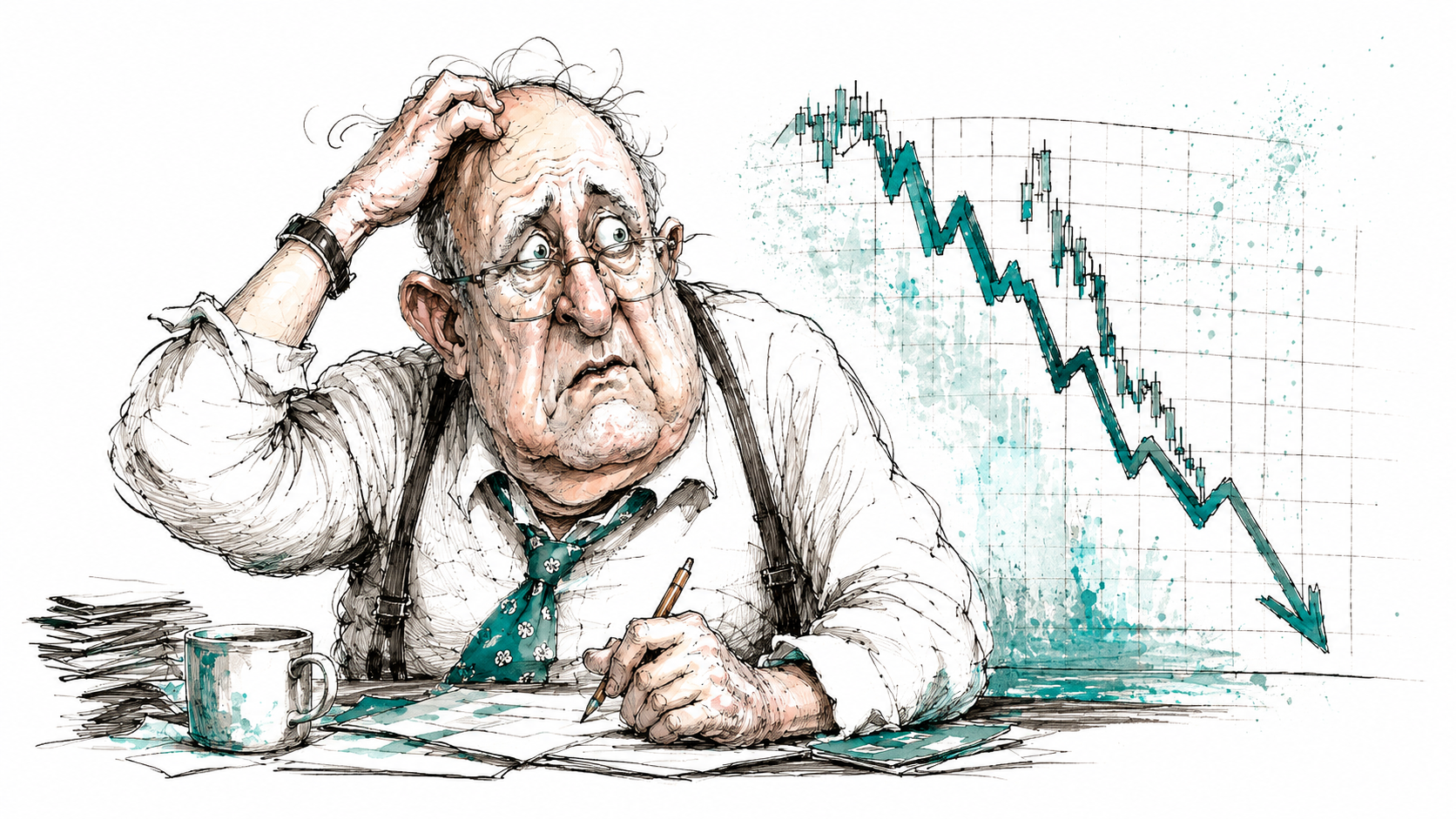
On the other hand, ETFs run by Global X, Betashares and VanEck that track gold and silver miners, as well as physical palladium and platinum, dominate the list of the worst performers.
The price of gold has dropped about 13 per cent since the war began as energy supply shocks have the raised the likelihood that central banks will keep rates steady for longer, or even raise them, which is a headwind for non-yielding precious metals.
By Gus McCubbing